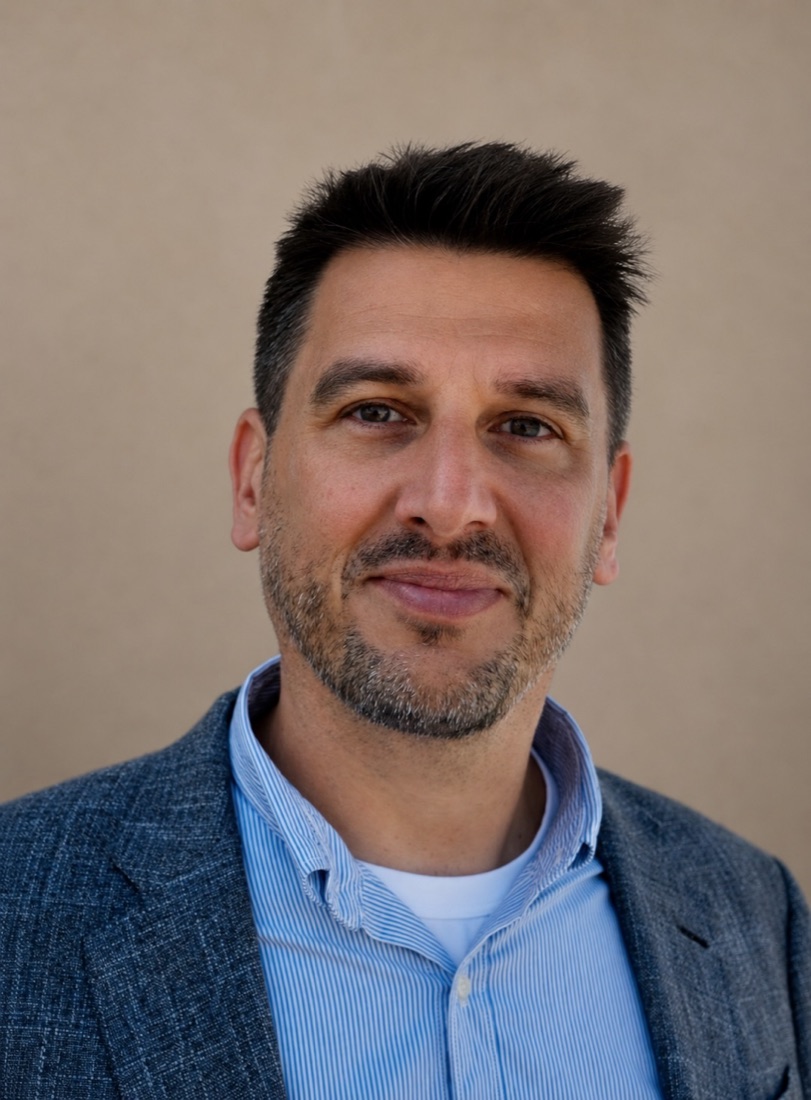
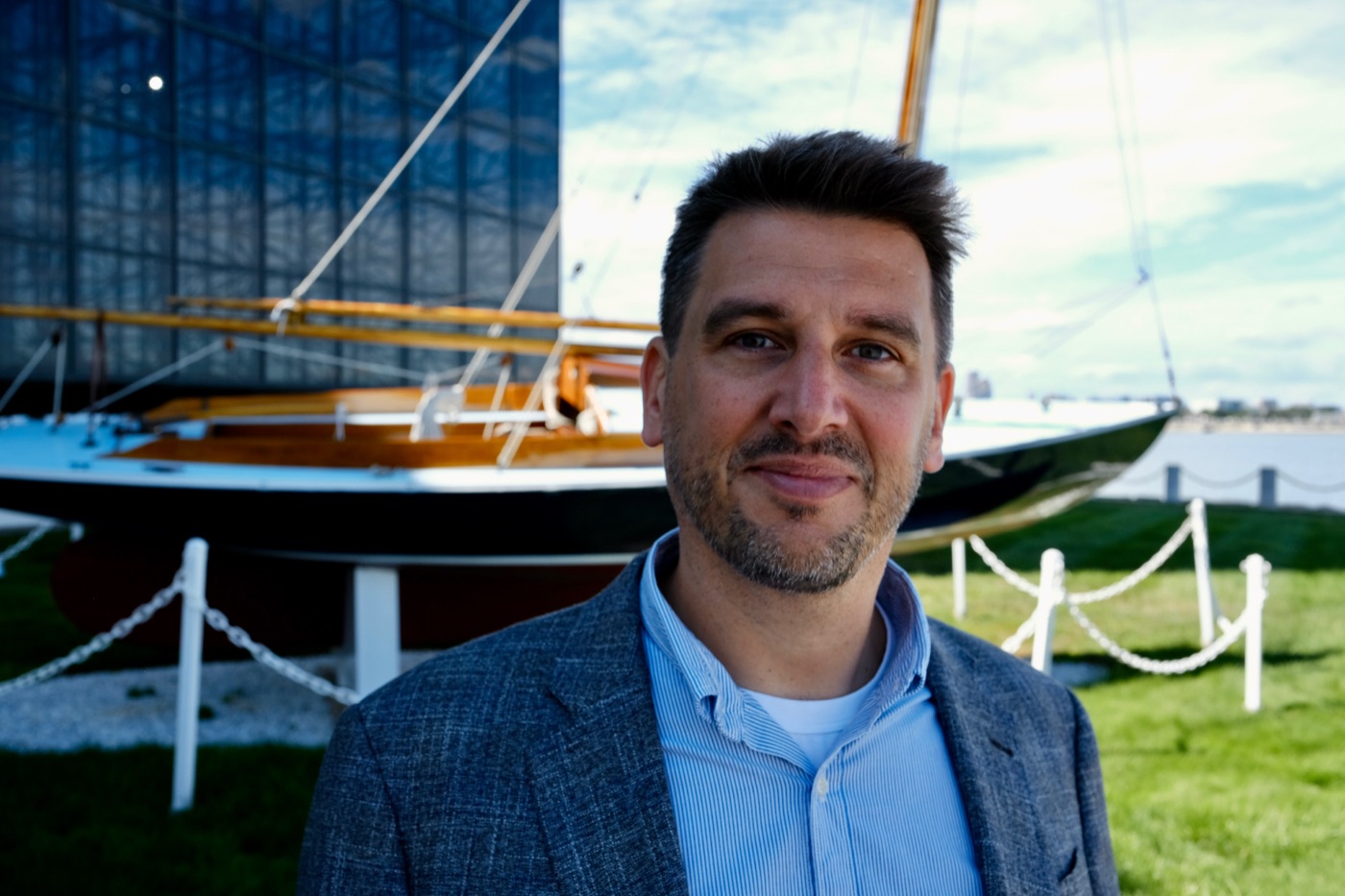
William Mair, Professor of Molecular Metabolism at Harvard T.H. Chan School of Public Health and Director of the Harvard Chan Healthy Aging Initiative, studies how metabolism controls the rate at which we age.
About
A molecular geneticist working on healthy aging.
I study why age is the greatest risk factor for chronic disease, and how that risk can be reduced. My central idea is that aging stems from a progressive loss of metabolic flexibility, the capacity of cells, tissues and whole organisms to respond to changes in nutrient supply, and that restoring this “homeodynamic” capacity can promote healthy aging.
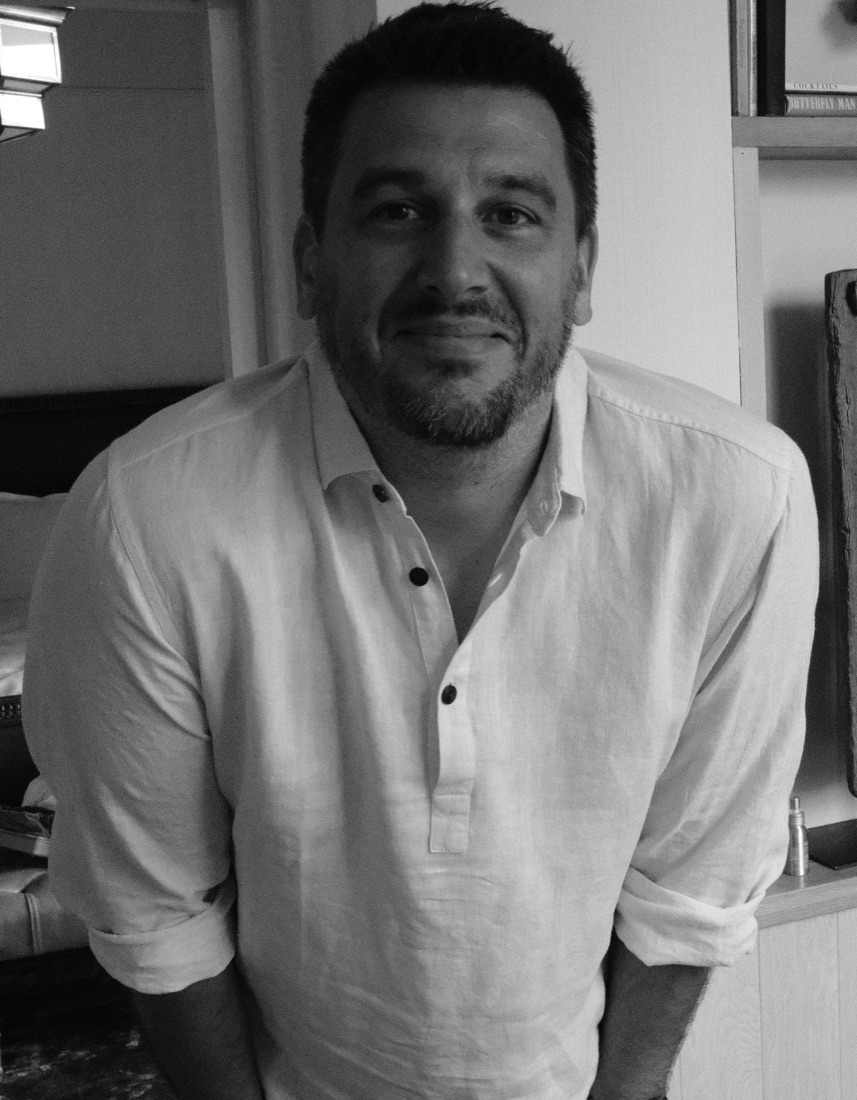
My path
From flies and worms to public health.
As a graduate student with Linda Partridge at University College London, I described the first late-onset dietary intervention to reverse mortality trajectories in fruit flies, and showed that the balance of nutrients, not calories, drives the longevity effect of dietary restriction.
As a postdoctoral fellow with Andrew Dillin at the Salk Institute, I identified CRTC coactivators as direct longevity targets of the energy sensor AMPK.
Since 2011 my lab at the Harvard T.H. Chan School of Public Health has shown how the nervous system coordinates nutrient-sensing signals to control aging across the body, discovered that RNA splicing factors causally regulate longevity and explain why individuals respond differently to the same intervention, and established that organelles (mitochondria and, most recently, peroxisomes) are how nutrient sensors govern metabolic aging.
The next step is precision geroscience: finding biomarkers that predict who will respond to which intervention, and moving these mechanisms into mammalian systems and human cohorts. As Director of the Harvard Chan Healthy Aging Initiative I focus on the inequities in healthy aging that make this a public-health emergency rather than a luxury problem.
Before graduate school I worked in journalism. During my postdoc I wrote as an accredited freelance science writer (National Association of Science Writers), wrote paper synopses for PLOS Biology, and wrote press releases for the Salk Institute’s communications office. Explaining the science clearly still matters a great deal to me.
Timeline
- 2024–Professor of Molecular Metabolism (tenured) and Director, Harvard Chan Healthy Aging InitiativeHarvard T.H. Chan School of Public Health
- 2017–2024Associate ProfessorHarvard T.H. Chan School of Public Health
- 2011–2017Assistant ProfessorHarvard T.H. Chan School of Public Health
- 2019–Affiliate FacultyDepartment of Stem Cell and Regenerative Biology, Harvard University
- 2006–2011Postdoctoral Fellow with Andrew DillinThe Salk Institute for Biological Studies, La Jolla
- 2005Ph.D., Biology with Linda PartridgeUniversity College London
- 2000B.Sc. Genetics, First ClassUniversity College London
Leadership & service
Building the field.
- 2024–Director, Harvard Chan Healthy Aging InitiativeFounded and lead the School-wide initiative to integrate aging biology with public health, including the inaugural Healthy Aging Symposium (2026) and Massachusetts State House briefings (2025, 2026).
- 2023–Co-founding Director, MBL Biology of Aging courseWith Jennifer Garrison (Buck Institute). A four-week research course at the Marine Biological Laboratory, Woods Hole, for 18 students per cohort from five continents.
- 2022–2026Organizer, Cold Spring Harbor Laboratory Mechanisms of Aging meetingThe field’s biennial international meeting (2022, 2024, 2026).
- 2025, 2027Co-chair, Fusion Interventions in Aging conferenceMalta 2025; Albania 2027.
- 2024–Academic Editor, PLOS BiologyGuest Editor of its 2026 Aging Collection.
- 2025–Founding Editorial Board, Geromedicine
- 2020–2024Permanent Member, NIH Cellular Mechanisms of Aging and Development study section
- 2020–2021Co-founder, Aging Science TalksA free daily online seminar series launched within days of the March 2020 shutdown.
Recognition
Honors.
- 2025Elected Member, Academy of Geroscience
- 2025Dean’s Special LectureUniversity of Miami Miller School of Medicine
- 2024Keynote, 20th Anniversary SymposiumUCL Institute of Healthy Ageing, London
- 2019Armen H. Tashjian Jr. Award for Excellence in Endocrine ResearchHarvard T.H. Chan School of Public Health
- 2017Breakthroughs in Gerontology (BIG) AwardAmerican Federation for Aging Research / Glenn Foundation
- 2015Glenn Award for Research in Biological Mechanisms of AgingGlenn Foundation for Medical Research
- 2012New Scholar in Aging ResearchEllison Medical Foundation
For organizers & press
Bios and photos.
Please feel free to use these for programs, introductions and articles.
William Mair is Professor of Molecular Metabolism at Harvard T.H. Chan School of Public Health and Director of the Harvard Chan Healthy Aging Initiative. His lab studies how metabolism and nutrient sensing control the rate of aging, with the goal of extending healthy lifespan for everyone. He co-directs the MBL Biology of Aging course and organizes the Cold Spring Harbor Mechanisms of Aging meeting.
William Mair is Professor of Molecular Metabolism at the Harvard T.H. Chan School of Public Health and Director of the Harvard Chan Healthy Aging Initiative. A molecular geneticist, he studies how nutrient and energy sensing shape the rate of aging and why age is the greatest risk factor for chronic disease. His lab discovered that RNA splicing factors causally regulate longevity, defined how the nervous system coordinates AMPK and mTORC1 signaling to control aging across tissues, and showed that organelle plasticity (mitochondrial and peroxisomal) underlies the loss of metabolic flexibility with age. Trained at University College London (Ph.D., with Linda Partridge) and the Salk Institute (with Andrew Dillin), he is an elected member of the Academy of Geroscience, a former permanent member of the NIH CMAD study section, co-founding director of the MBL Biology of Aging course, and organizer of the Cold Spring Harbor Mechanisms of Aging meeting. He is also Chief Scientific Advisor to The WNDR Lab.